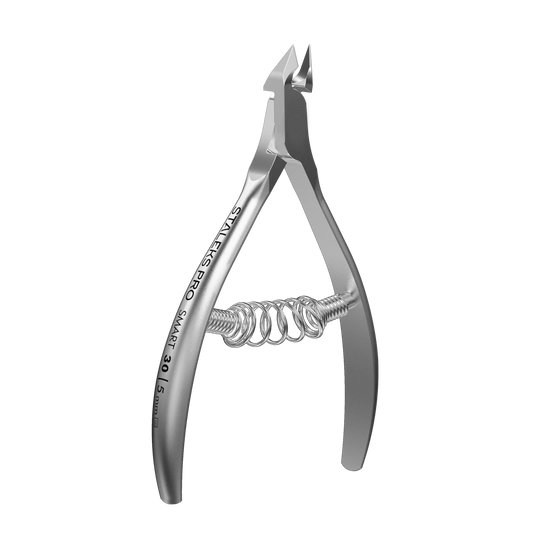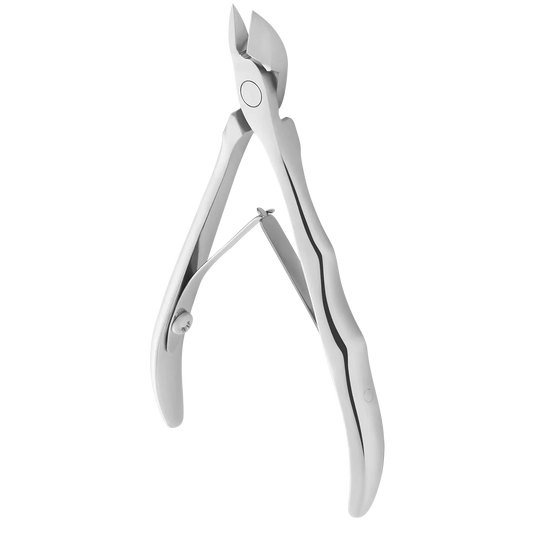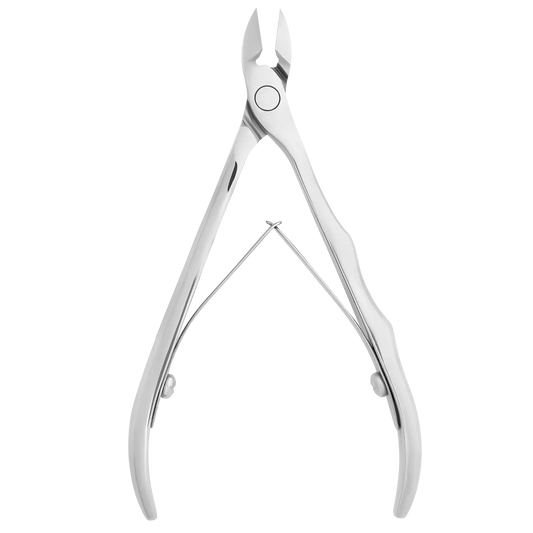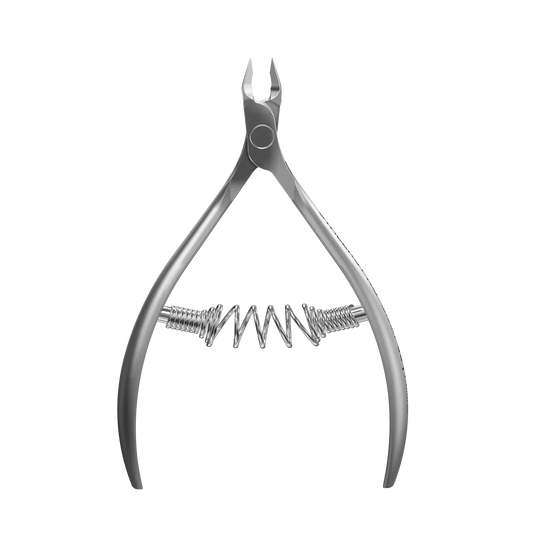
PROFESSIONAL NIPPERS FOR MANICURE AND PEDICURE

Professional manicure and pedicure Tweezers

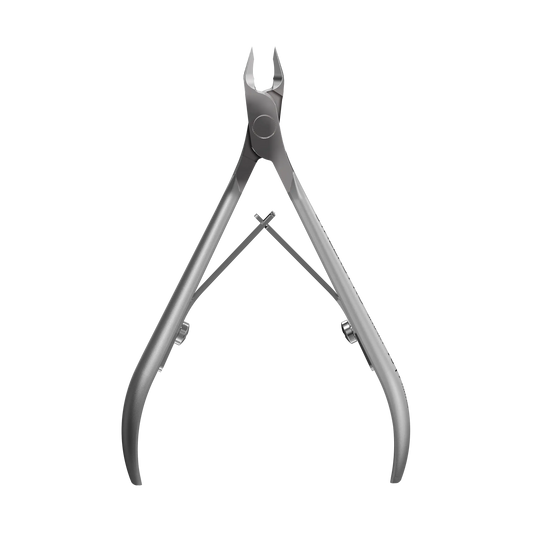
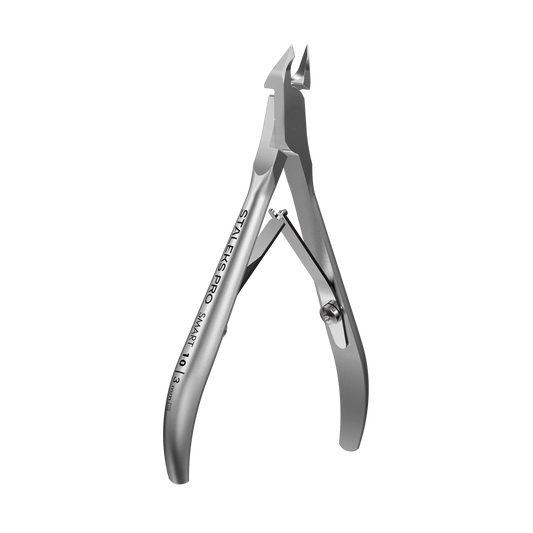
This selection brings together Staleks cuticle nippers, ingrown-nail nippers and nail clippers. First choose the instrument family, then the cutting-edge length, handle shape and mechanism suited to the manicure or pedicure task.

Professional manicure and pedicure Tweezers

How do you choose professional manicure or pedicure nippers?

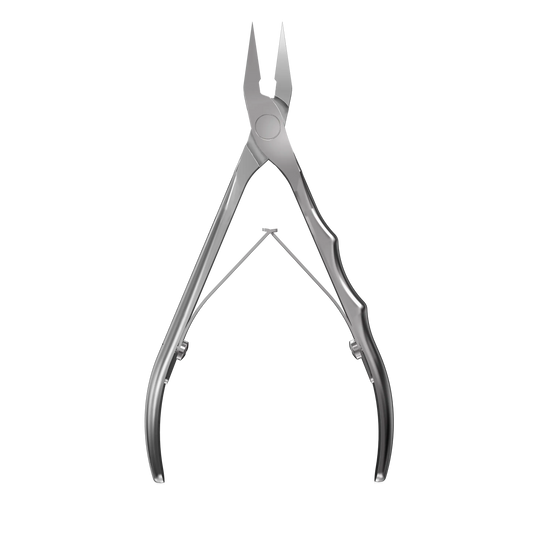
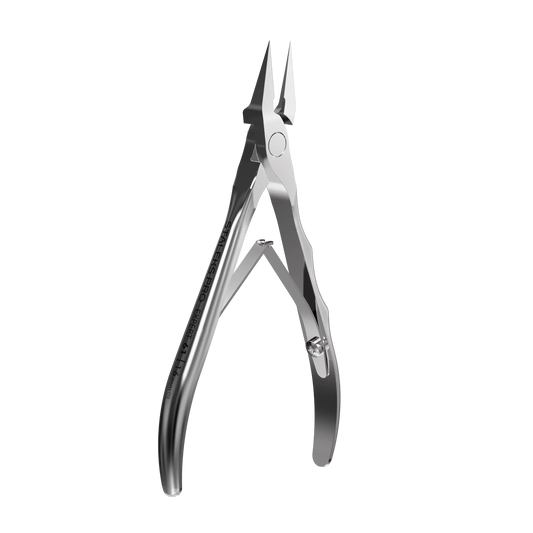
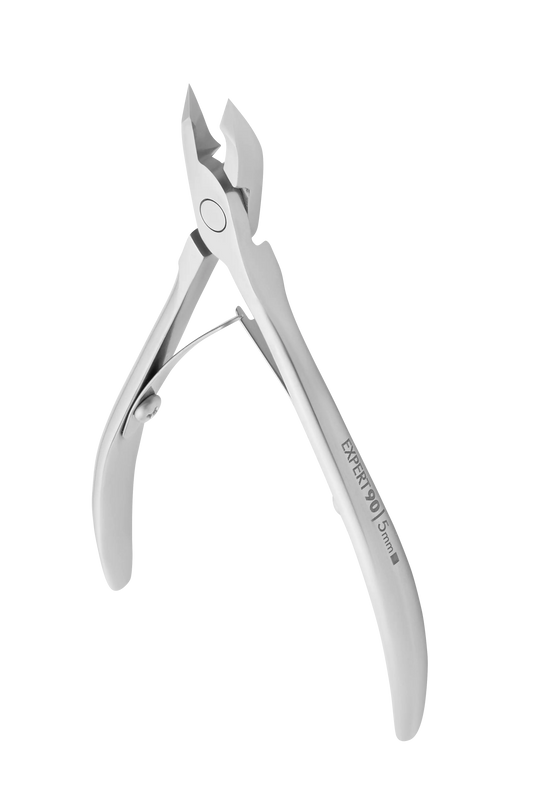
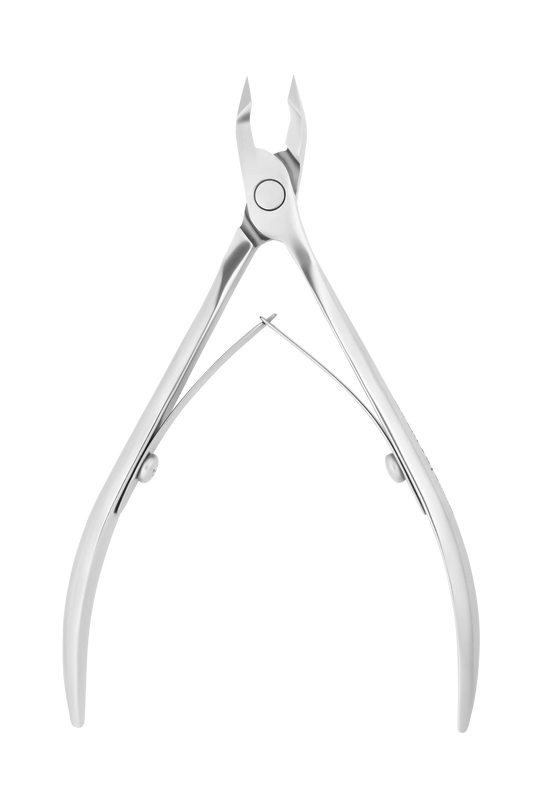
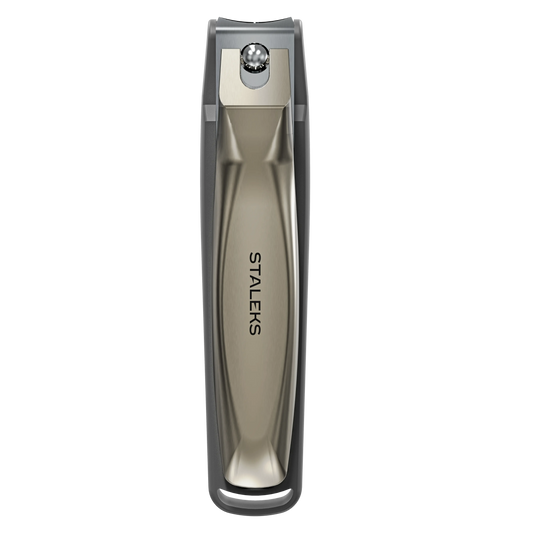
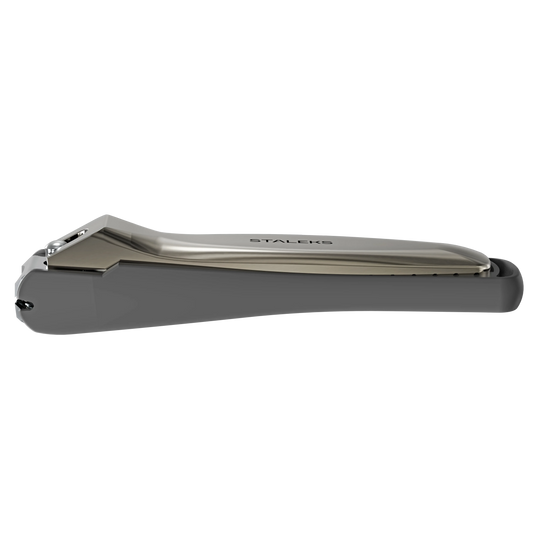
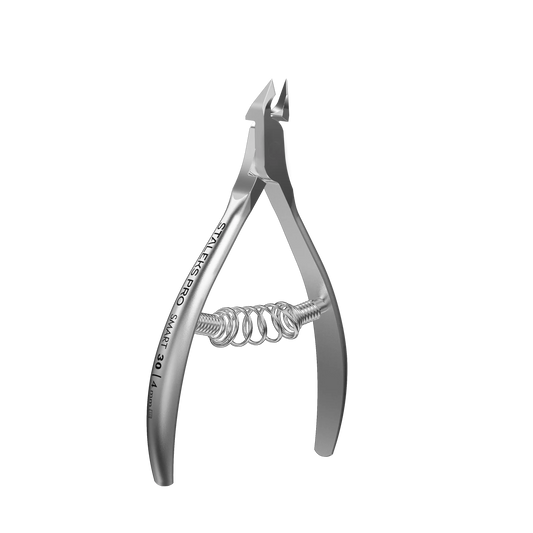
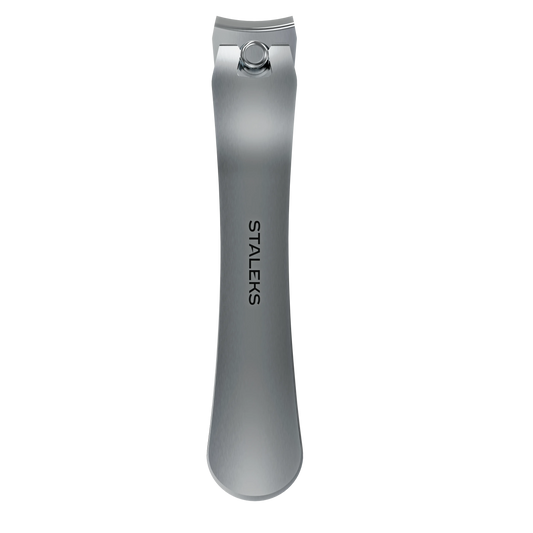
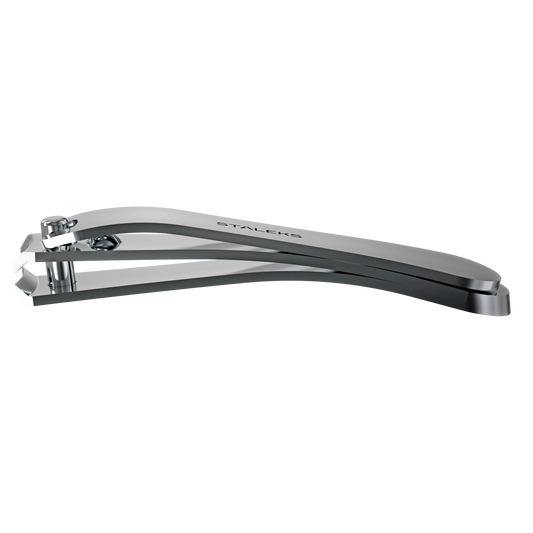
This collection currently brings together three Staleks instrument families: cuticle or hangnail nippers for removing small pieces of skin, nippers with a fine working part for the lateral edges of ingrown nails in a professional setting, and lever nail clippers for shortening the free edge. The first choice should therefore be based on the task.

For cuticles, the available cutting lengths range from 3 to 9 mm: a short blade supports localized work, while a longer edge covers a different area. The ingrown-nail models in this collection have 16 or 18 mm working parts, elongated handles and spring mechanisms. These dimensions relate to different uses and should not be compared as simple size variants.

Product pages specify stainless-steel or alloy-steel constructions, with handles and mechanisms designed for a stable grip. Before use, check edge alignment, smooth spring or lever operation and the intended application. Then follow the maintenance, disinfection and sterilization procedures recommended for each item.

Choose the instrument family according to the intended task
Compare cutting lengths within the same instrument family
Match the geometry to the area and required precision
Check handle stability and smooth mechanism operation
Reserve technical procedures for trained use
Follow hygiene and maintenance recommendations

Guide: choosing manicure and pedicure nippers

Identify the task

Cuticle nippers work on small pieces of skin around the nail. Ingrown-nail nippers access lateral nail edges in a professional setting, while lever clippers shorten the free edge.

Compare working-part length

The cuticle nippers in the collection offer cutting lengths of 3 to 9 mm. Ingrown-nail models have working parts of 16 or 18 mm; these measurements correspond to different functions.

Assess geometry and access

A short working part supports localized cuticle work. A long, fine or tapered working part improves access to lateral nail areas; use it only with the appropriate technique and never as a substitute for necessary medical care.

Evaluate handles and mechanism

Handle length and texture affect stability. A nipper spring should move smoothly; on a nail clipper, the lever should remain comfortable and allow progressive cutting.

Maintain the instrument correctly

After each use, remove residue without striking the cutting edges. Follow the manufacturer’s recommendations for cleaning, disinfection, sterilization, drying, any required lubrication and storage.

Frequently asked questions about manicure and pedicure nippers

What is the difference between cuticle nippers, ingrown-nail nippers and nail clippers?

Cuticle nippers are intended for small pieces of skin and cuticles. Ingrown-nail nippers have a longer, tapered working part to access lateral nail edges in a professional setting. Lever nail clippers are mainly used to shorten the free edge.

How do you choose the cutting-edge length of nippers?

The cuticle nippers in this collection offer cutting lengths from 3 to 9 mm, while ingrown-nail models have 16 or 18 mm working parts. These measurements relate to different uses: choose according to the area, required precision and your technique.

Can these nippers be used for manicure and pedicure?

It depends on the function of each item. Cuticle nippers are used for finishing around the nail, ingrown-nail models are intended for professional pedicure or podiatry procedures, and some nail clippers suit both fingernails and toenails. Always check the product page.

How should professional nippers be cleaned and maintained?

Remove residue without damaging the cutting parts, then follow the manufacturer’s recommendations for cleaning, disinfection, sterilization, drying and mechanism maintenance. Also check spring movement and protect the edges during storage.