
NAIL DRILL BITS FOR MANICURE AND PEDICURE
Professional nail sander Nail drill bits

-
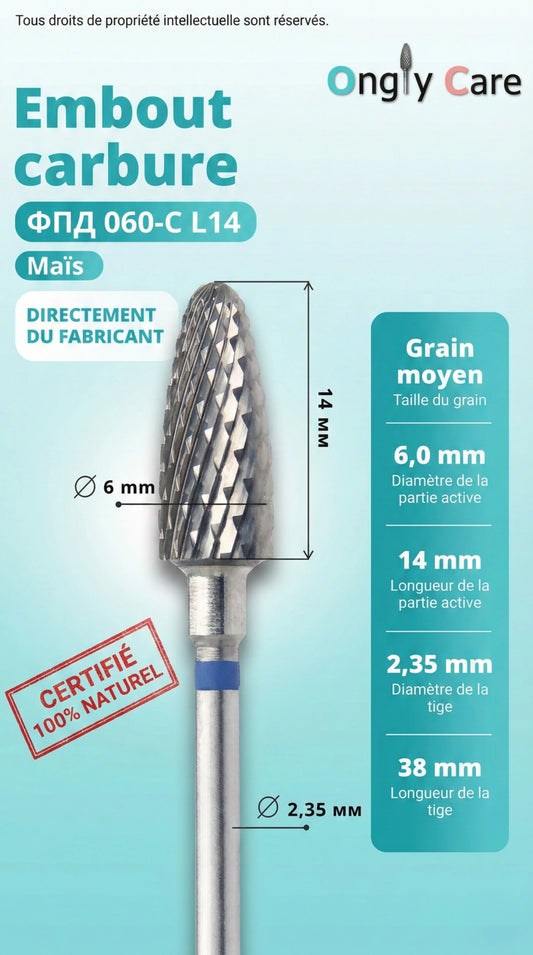
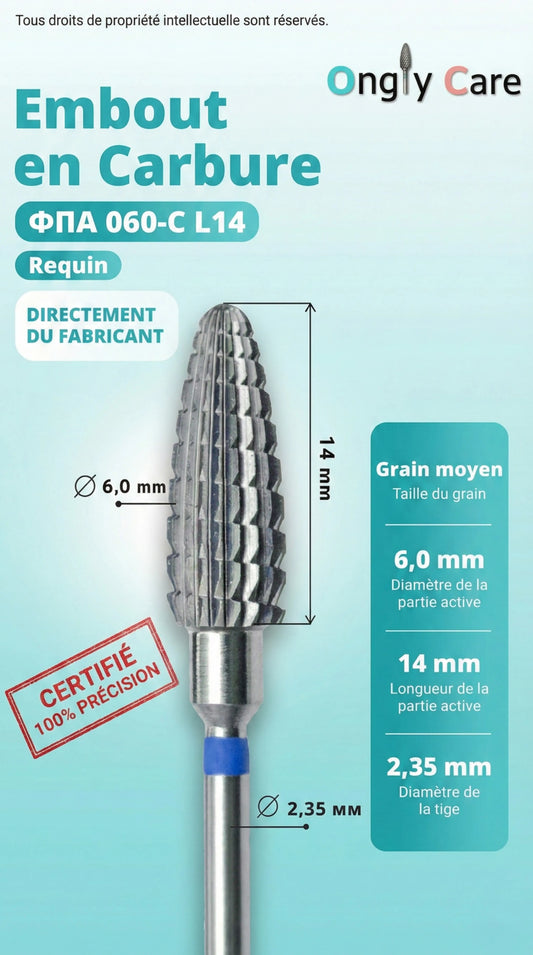
#115965 - Carbide tip - " Paraboloid " - "Blue" 6.0 x 14.0 mm
Regular price 11,20 € EURRegular price -
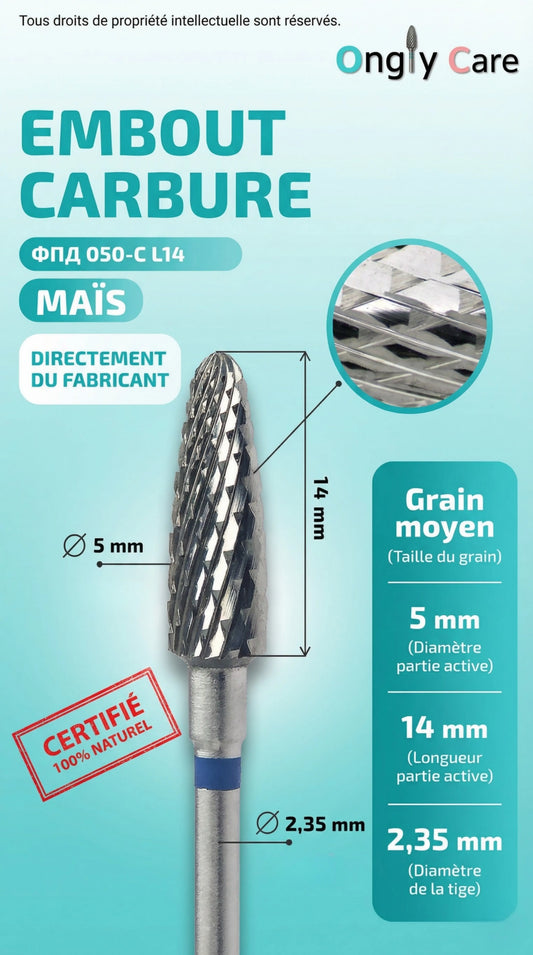
#115824 - Carbide tip - " Paraboloid " - "Blue" 5.0 x 14.0 mm
Regular price 11,20 € EURRegular price -
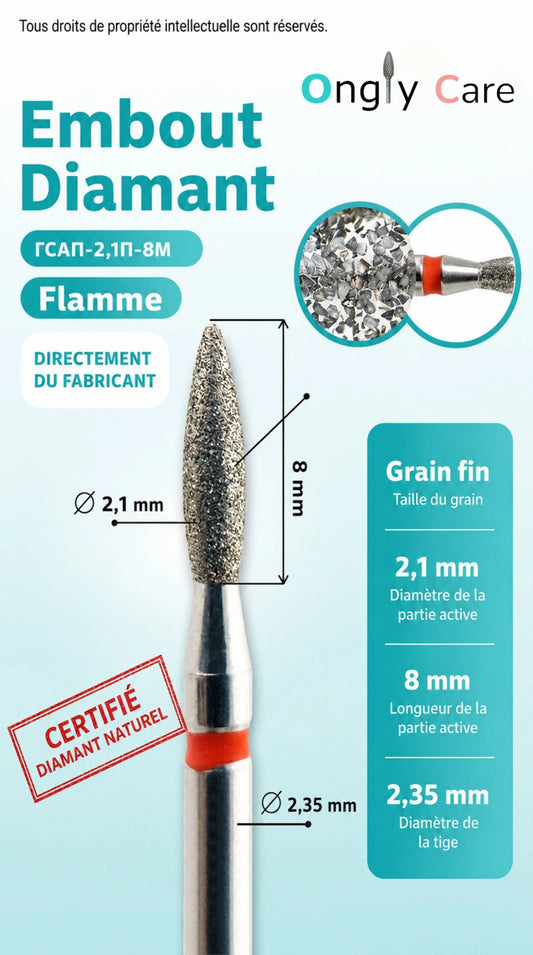
#113768 - Diamond tip - " Flame " - "Red" 2.1 x 8.0 mm
Regular price 4,40 € EURRegular price4,40 € EURPromotional price 4,40 € EUR -
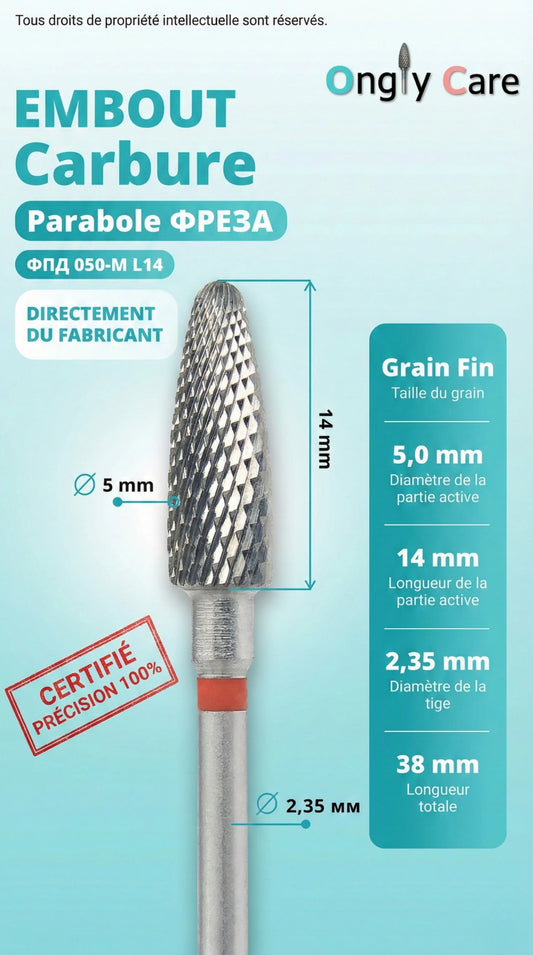
#115823 - Carbide tip - " Paraboloid " - "Red" 5.0 x 14.0 mm
Regular price 11,20 € EURRegular price -
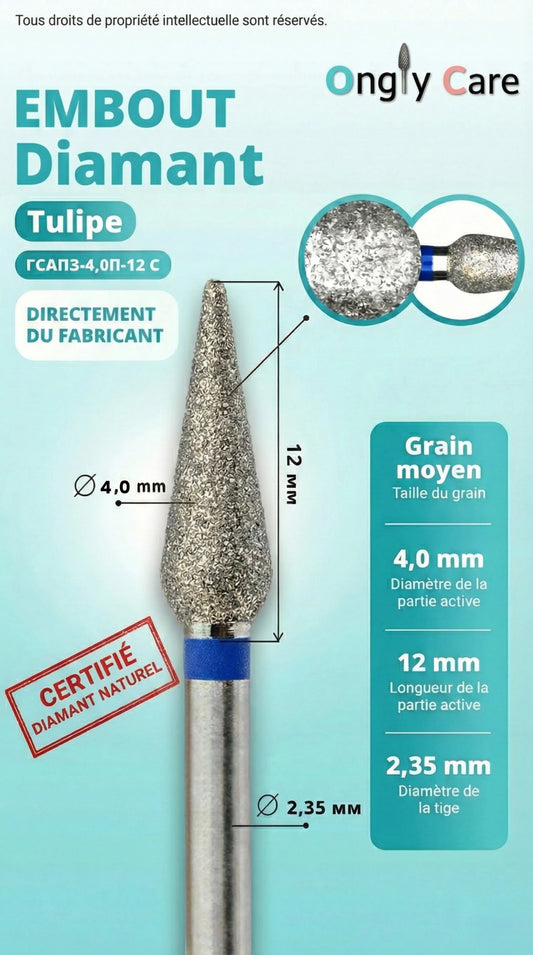
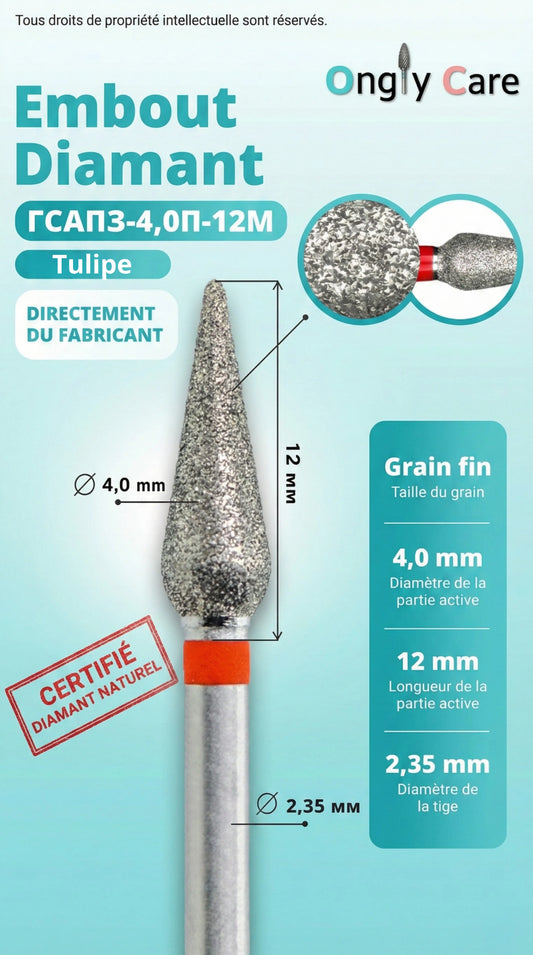
#118206 - Diamond tip - " Tulip " - "Blue" 4.0 x 12.0 mm
Regular price 4,90 € EURRegular price4,90 € EURPromotional price 4,90 € EUR -
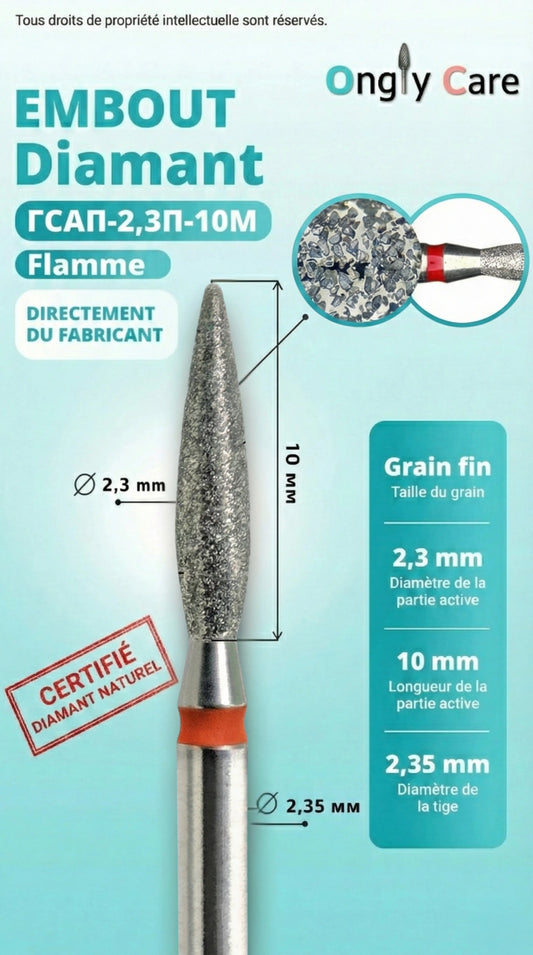
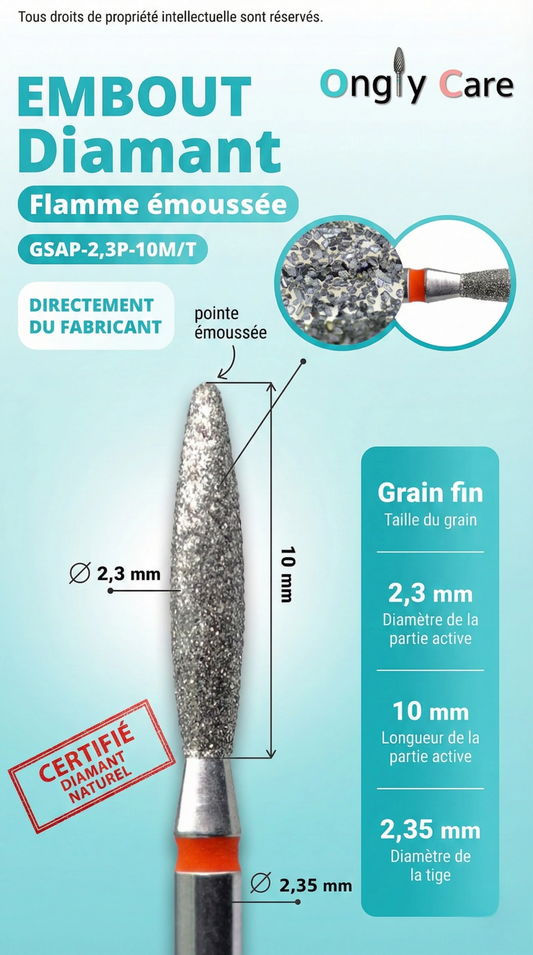
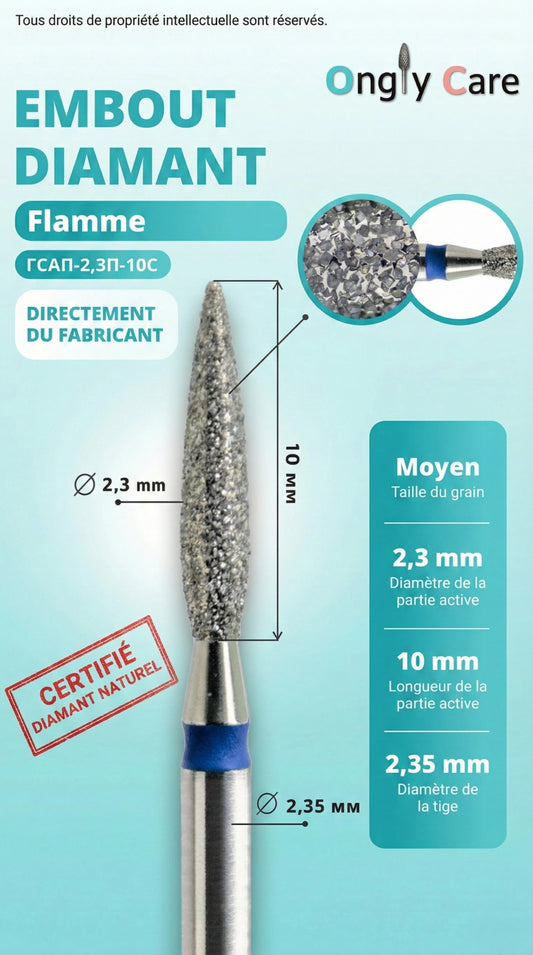
#115894 - Diamond tip - " Flame " - "Red" 2.3 x 10.0 mm
Regular price 4,40 € EURRegular price4,40 € EURPromotional price 4,40 € EUR -
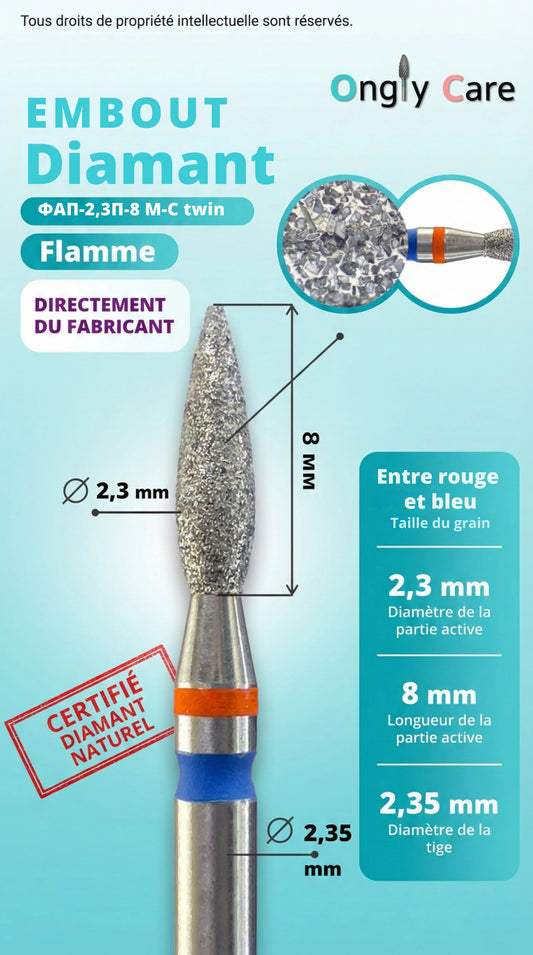
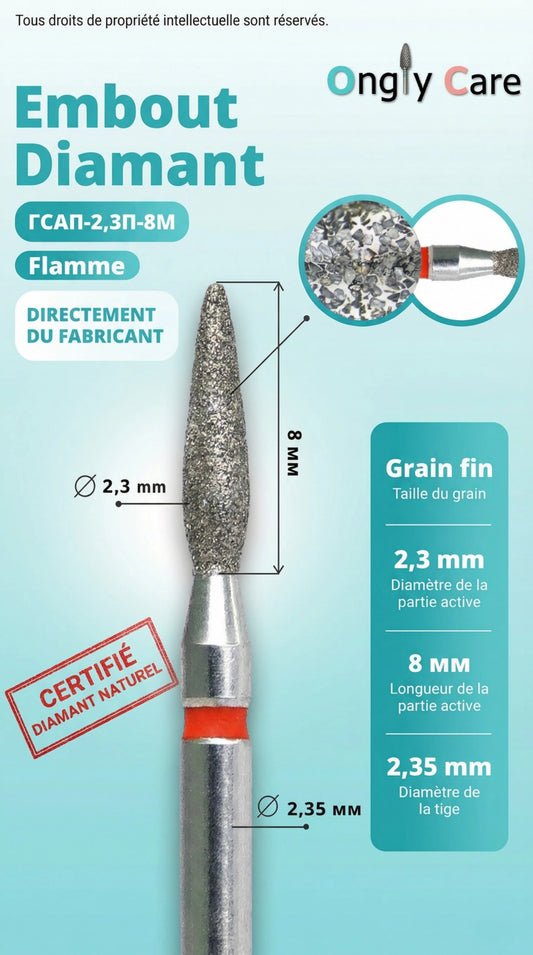
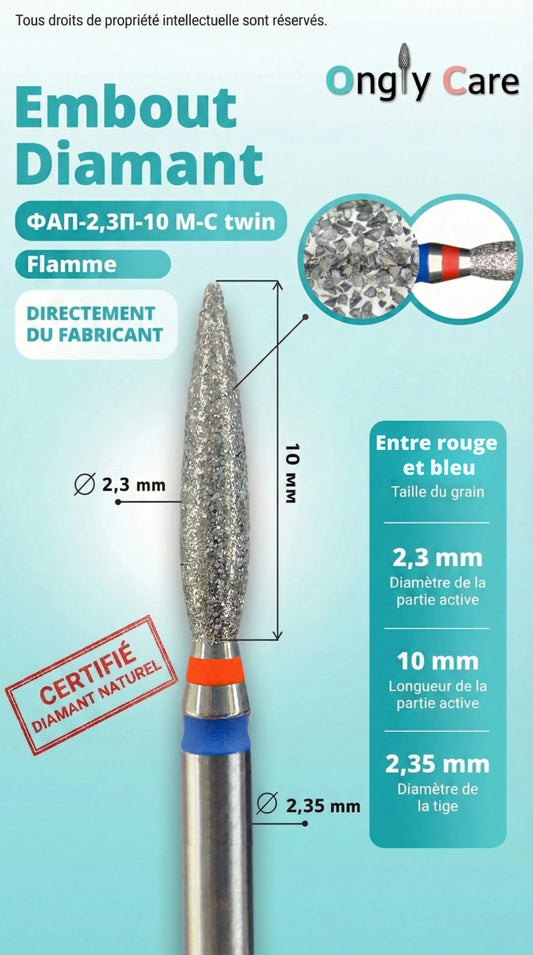
#118560 - Diamond tip - " Flame " - "Red-Blue" 2.3 x 8.0 mm
Regular price 4,40 € EURRegular price4,40 € EURPromotional price 4,40 € EUR -
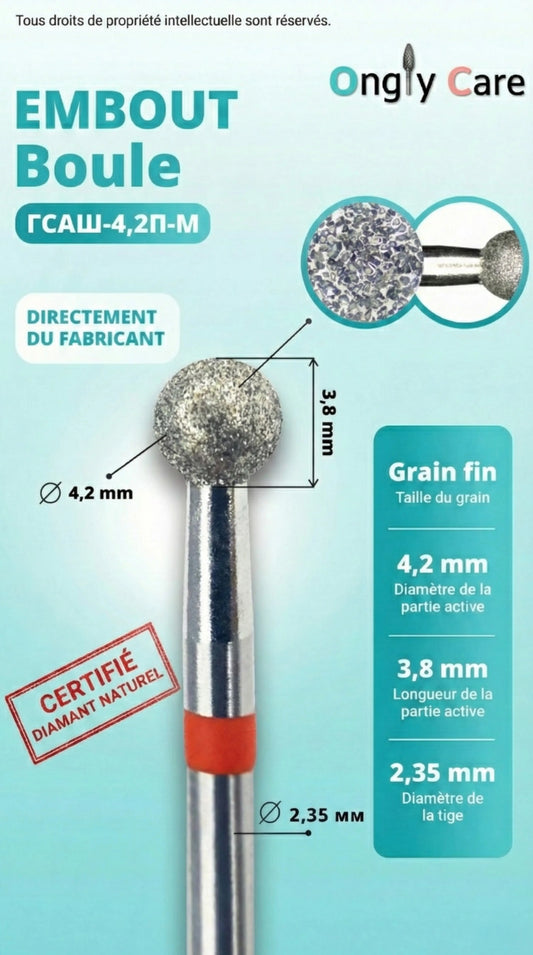
#118103 - Diamond tip - " Ball " - "Red" 4.2 x 3.8 mm
Regular price 4,60 € EURRegular price4,60 € EURPromotional price 4,60 € EUR -
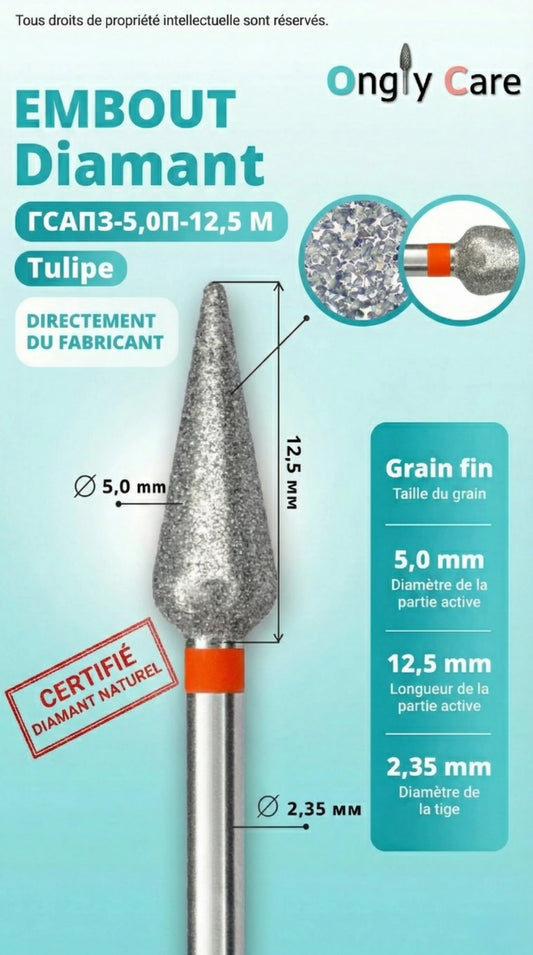
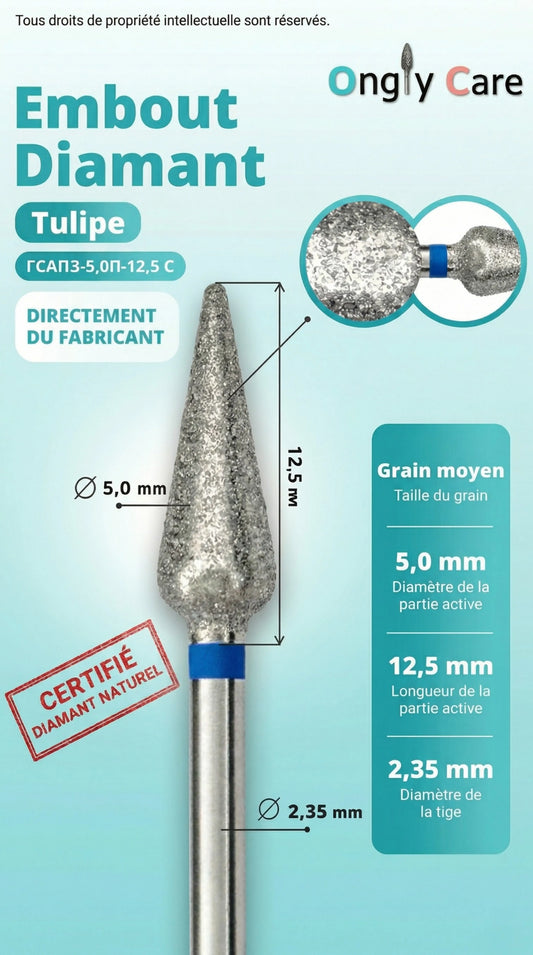
#118209 - Diamond tip - " Tulip " - "Red" 5.0 x 12.5 mm
Regular price 4,90 € EURRegular price4,90 € EURPromotional price 4,90 € EUR -
#118175 - Diamond tip - " Tulip " - "Red" 4.0 x 12.0 mm
Regular price 4,90 € EURRegular price4,90 € EURPromotional price 4,90 € EUR -
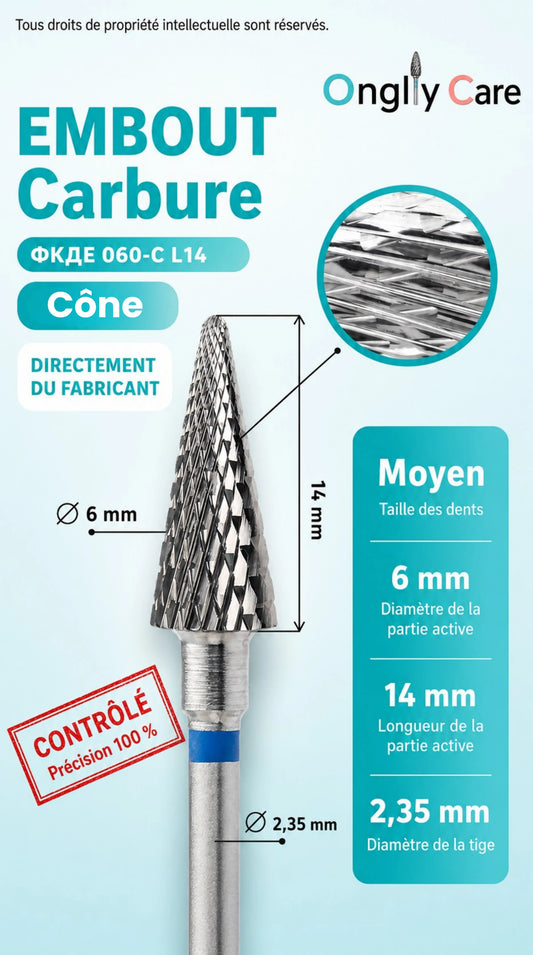
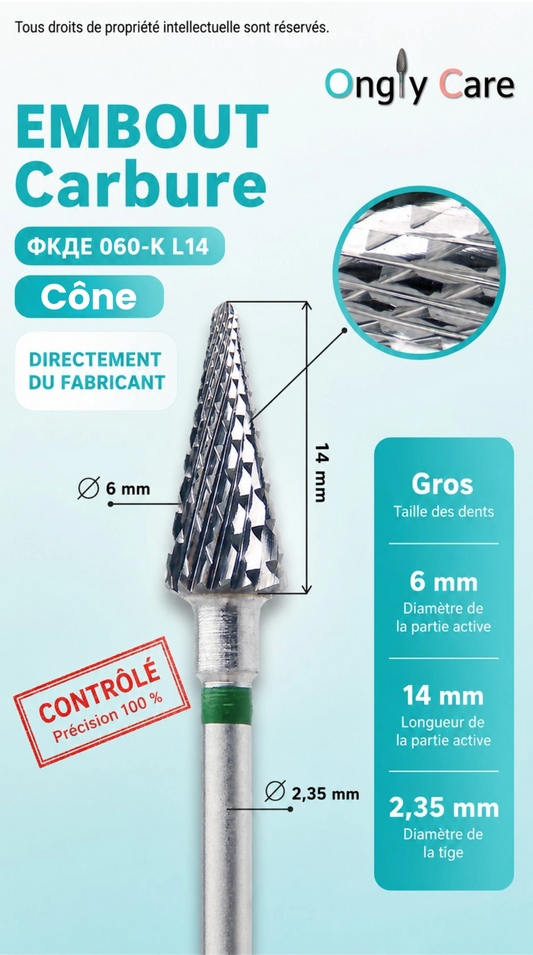
#118950 - Carbide Tip - " Cone " - "Blue" 6.0 x 14.0 mm
Regular price 12,00 € EURRegular price -
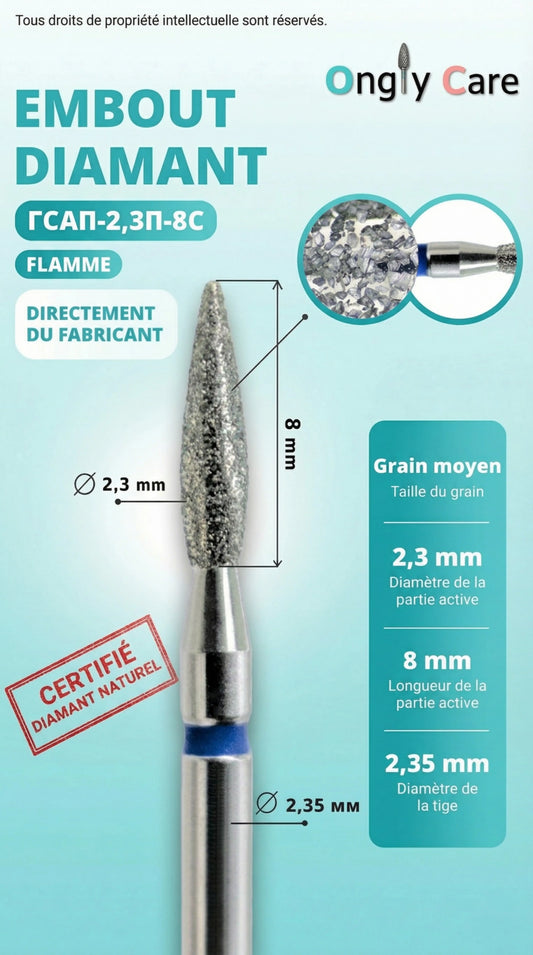
#117968 - Diamond tip - " Flame " - "Red" 2.3 x 8.0 mm
Regular price 4,40 € EURRegular price4,40 € EURPromotional price 4,40 € EUR -
#118035 - Diamond tip - " Flame " - "Red" 2.3 x 10.0 mm
Regular price 4,40 € EURRegular price4,40 € EURPromotional price 4,40 € EUR -
#118559 - Diamond tip - " Flame " - "Red-Blue" 2.3 x 10.0 mm
Regular price 4,40 € EURRegular price4,40 € EURPromotional price 4,40 € EUR -
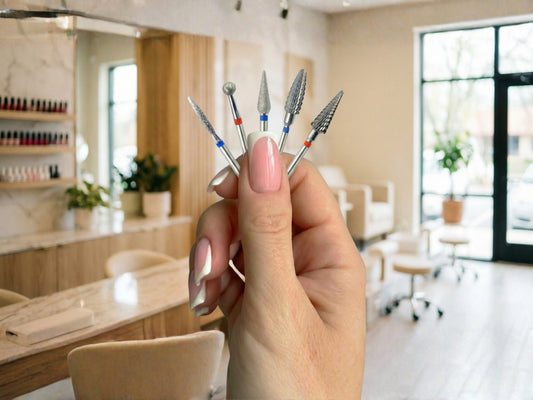
Advanced Pro Kit – 5 Bits (Diamond + Carbide Mix)
Regular price 33,29 € EURRegular price38,80 € EURPromotional price 33,29 € EURSale -
#118945 - Carbide tip - " Cone " - "Green" 6.0 x 14.0 mm
Regular price 12,00 € EURRegular price11,00 € EURPromotional price 12,00 € EUR -
#118208 - Diamond tip - " Tulip " - "Blue" 5.0 x 12.5 mm
Regular price 4,90 € EURRegular price4,90 € EURPromotional price 4,90 € EUR -
#117967 - Diamond tip - " Flame " - "Blue" 2.3 x 10.0 mm
Regular price 4,40 € EURRegular price4,40 € EURPromotional price 4,40 € EUR -
#118217 - Carbide tip - " Paraboloid " - "Blue" 6.0 x 14.0 mm
Regular price 12,90 € EURRegular price10,90 € EURPromotional price 12,90 € EUR -
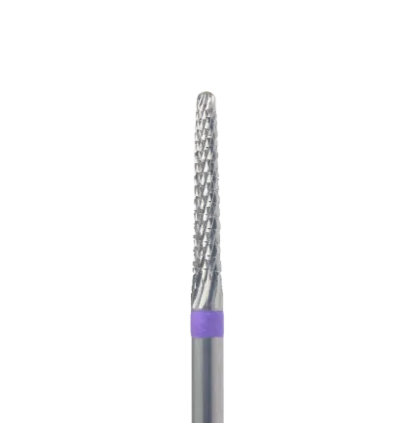
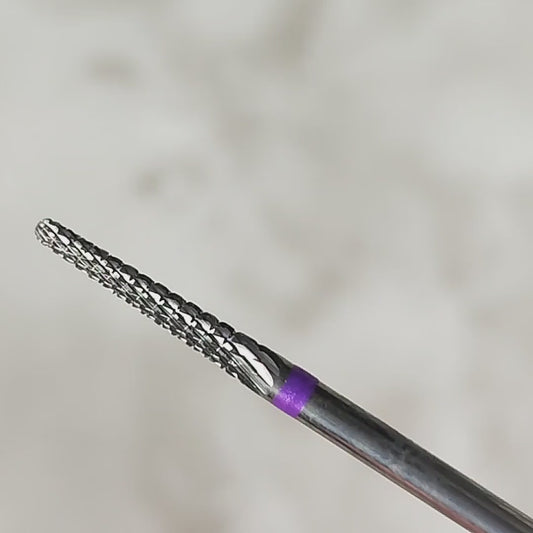
#118016 - Carbide Tip - " Cone " - "Purple" 2.3 x 15.0 mm
Regular price 10,00 € EURRegular price -
#118987 - Carbide tip - " Cone " - "Purple" 6.0 x 14.0 mm
Regular price 12,00 € EURRegular price -
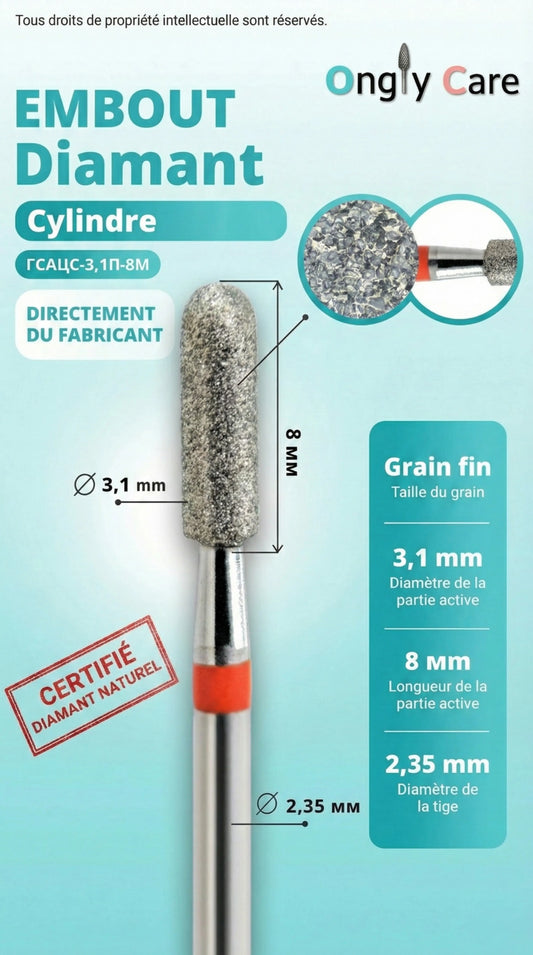
#117954 - Diamond tip - " Barrel " - "Red" 3.1 x 8.0 mm
Regular price 4,50 € EURRegular price4,50 € EURPromotional price 4,50 € EUR -
#117962 - Diamond tip - " Flame " - "Blue" 2.3 x 8.0 mm
Regular price 4,40 € EURRegular price4,40 € EURPromotional price 4,40 € EUR -
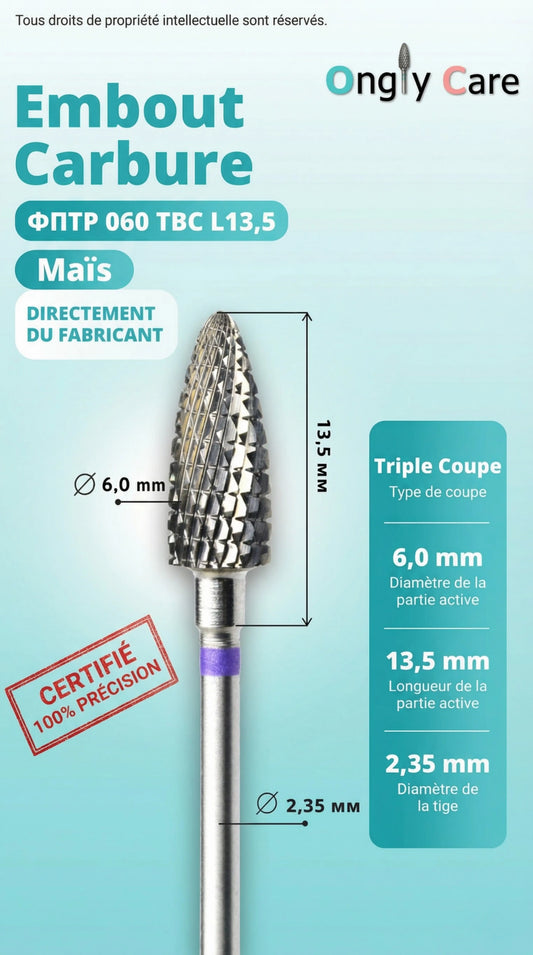
#118021 - Carbide tip - " Paraboloid " - "Violet" 6.0 x 13.5 mm
Regular price 12,00 € EURRegular price























How do you choose a professional nail drill bit?
Distinguish diamond and carbide according to the material
Match the shape to the area and technical movement
Compare diameter and working-part length for each item
Read the band as the manufacturer’s abrasiveness marker
Check compatibility, rotation and recommended speed
Follow hygiene and maintenance procedures


