PROFESSIONAL NAIL DRILLS

Nail drills

Choose a professional nail drill according to its speed, torque, handpiece, control type and intended use. Requirements differ for precision work, product removal, routine manicures and more intensive services.

Nail drills

How do you choose a professional nail drill?

The maximum number of revolutions per minute is only one of several criteria to consider when choosing a nail drill. Available torque, speed stability under load and handpiece quality directly affect comfort and control while working.

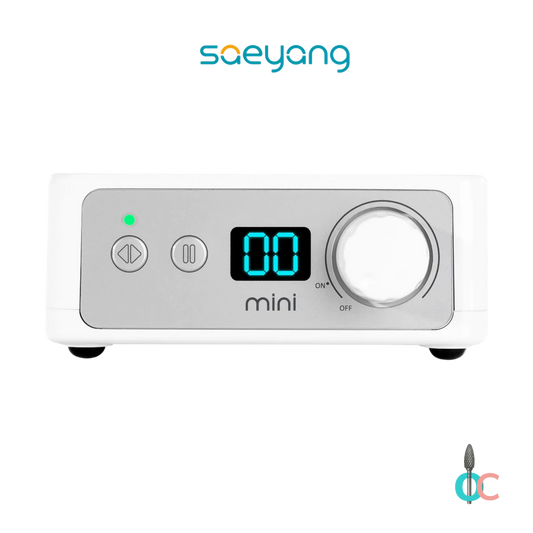
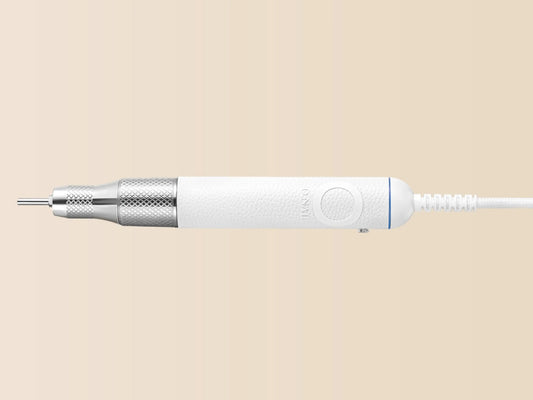
You should also consider the handpiece’s weight and ergonomics, the control mode, whether a foot pedal is available, the direction of rotation and the functions offered by each device. Compact models meet different needs from more powerful stations or units with additional built-in functions.

Choosing the right bits is inseparable from choosing the nail drill. Check the shank diameter accepted by the handpiece, then follow the recommended speeds and operating conditions for both the device and each bit.

Compare maximum speed and torque rather than speed alone
Choose a handpiece suited to repeated services
Check the control modes and direction of rotation
Consider the unit’s format and your workstation layout
Check the shank diameter accepted by the handpiece
Follow the speed recommendations for the device and bits

Professional guide: choosing a nail drill

Rotation speed

The maximum speed indicates the available range, but it should not be the only criterion. The actual speed must be adapted to the technique and the bit.

Torque and stability

Suitable torque helps the nail drill maintain steady rotation when the bit encounters resistance, which supports better control.

Handpiece

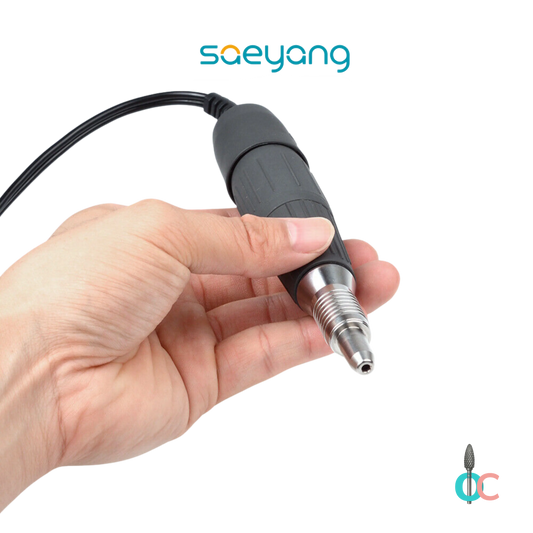
Weight, diameter, vibration, locking system and ergonomics affect comfort during long or repeated services.

Controls and features

Compare manual controls, foot pedal operation, rotation reversal, display and specific features according to how you organise your work.

Compatible bits

Check the accepted shank diameter and recommended operating ranges. A bit suited to the task is essential for using the nail drill correctly.